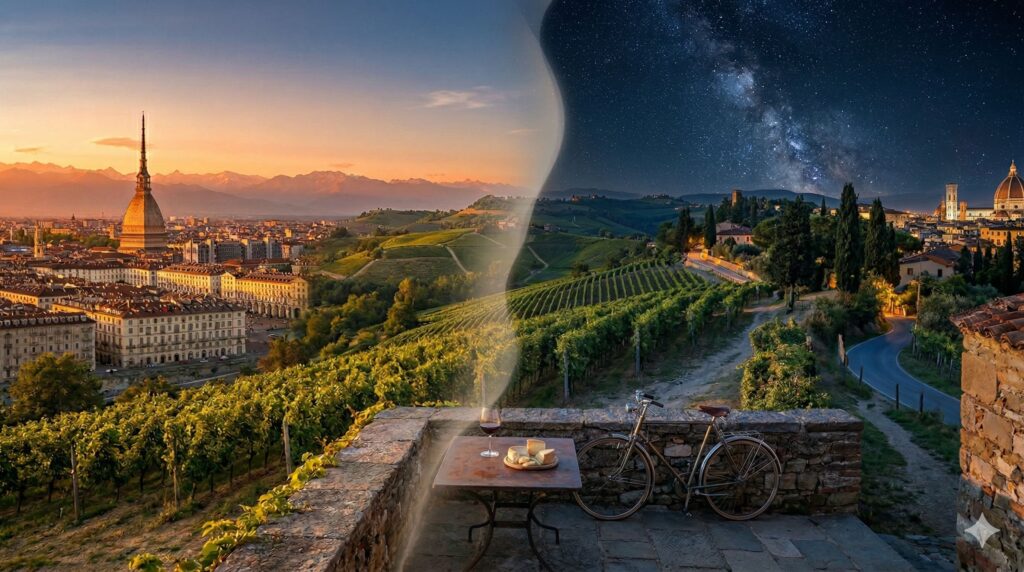
There is an invisible thread running through Turin and stretching across the hills, countryside and charming towns of Piedmont. It is the thread of the House of Savoy, one of Europe’s longest-lasting dynasties, which for centuries shaped this land into a monumental stage set of palaces, castles, villas, and hunting lodges.
Since 1997, this extraordinary architectural system — known as the Savoy Residences — has been recognized as a UNESCO World Heritage Site. These are not isolated buildings, but a political and symbolic project: the so-called “Crown of Delights,” conceived to represent the power, prestige, and modernity of the Savoy court.
Visiting the Savoy Residences means immersing yourself in a story that intertwines Baroque art — with masterpieces by Juvarra and Guarini — European diplomacy, court life, and landscapes designed with theatrical vision.
In this article, we will explore several of the Savoy Residences, with special focus on three extraordinary landmarks: the Royal Palace of Turin, the Reggia di Venaria Reale, and the Palazzina di Caccia di Stupinigi.
Royal Palace of Turin
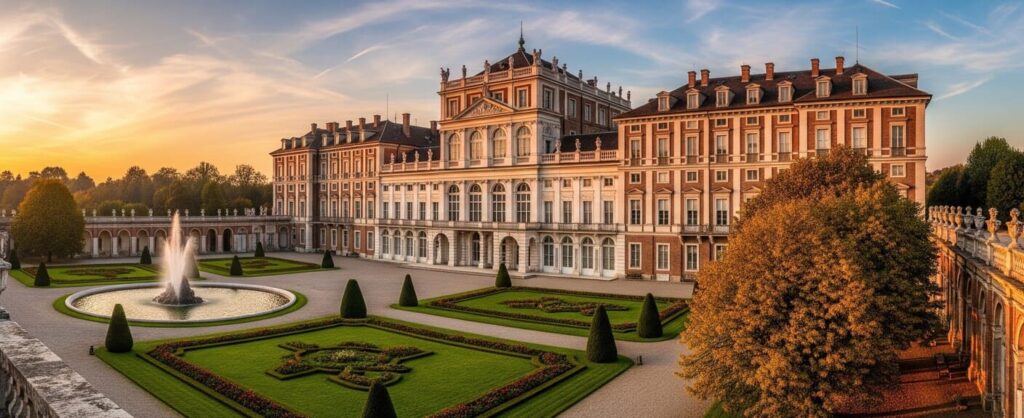
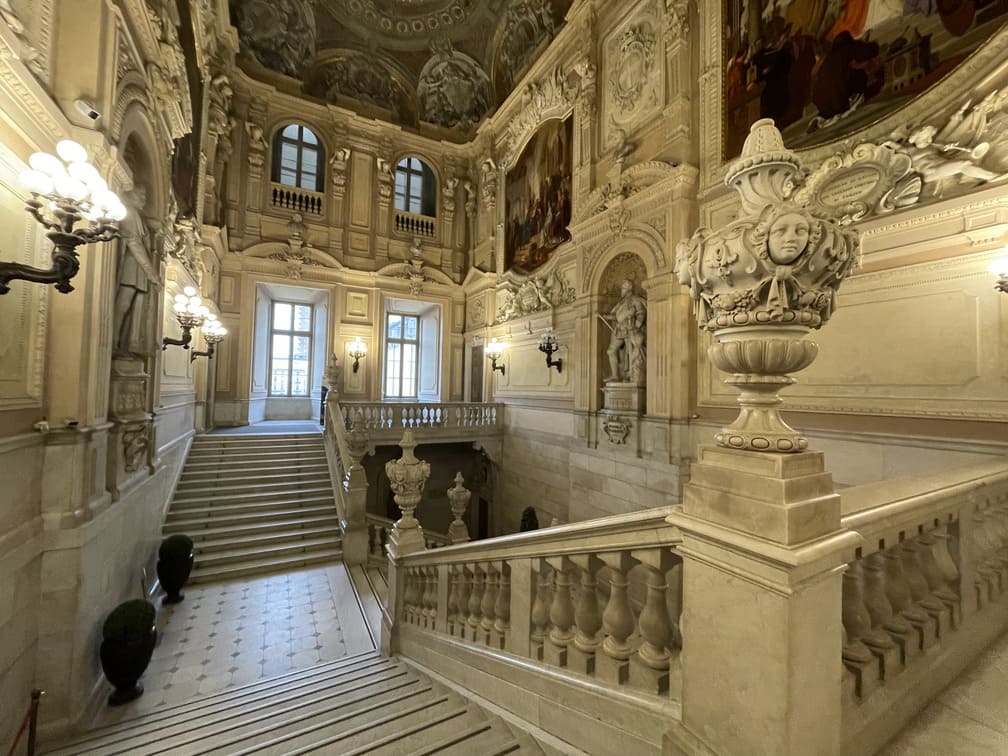
At the geographic and political heart of Turin, overlooking the majestic Piazzetta Reale, stands the building that shaped Italy’s destiny for centuries: the Royal Palace. Official residence of the Savoy dynasty from 1646 until the Unification of Italy, this complex is not simply a museum — it is the living symbol of a family that transformed a duchy into a kingdom.
Commissioned by Christine of France (the first “Madama Reale”), the Palace reflects the evolution of European taste through the centuries. As you wander through its halls, you will admire:
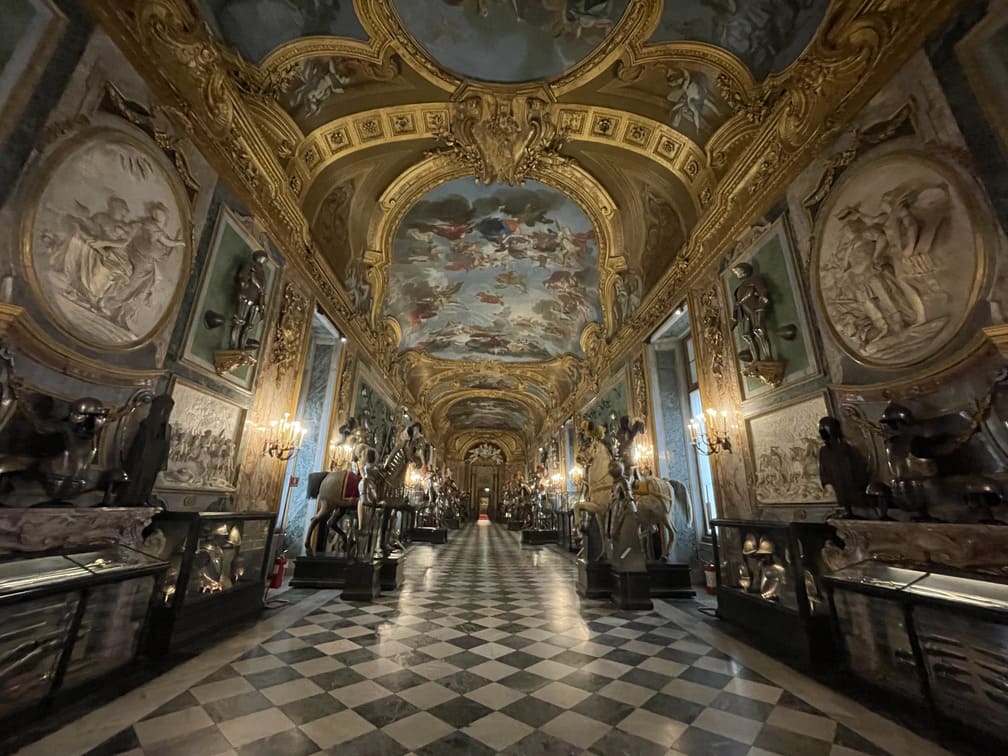
- The Royal Apartments: a triumph of gilded stucco, precious tapestries, and crystal chandeliers.
- The Royal Armoury: one of the most important arms collections in the world, where military history becomes art.
- The Daniel Gallery and the Throne Room: spaces still echoing with international diplomacy.
- The Royal Gardens: a peaceful oasis designed according to the strict French model of André Le Nôtre.
Did you know that beyond the official rooms there was an intricate network of secret passages? These allowed servants to move invisibly during grand balls, ensuring the machinery of the court functioned flawlessly without disturbing the noble guests.
It was also from the palace balcony, in 1849, that a young Victor Emmanuel II presented himself to the people of Turin at a dramatic moment: his father, Charles Albert, had just abdicated after the defeat at Novara. It marked the beginning of the long journey toward a unified Italy.
You can discover these stories and many more through our exclusive Royal Palace tour — an immersive guided experience that takes you behind the scenes of Savoy monarchy, into a world of power, diplomacy, and courtly life.
Palazzo Madama
Located in the vibrant heart of Piazza Castello, Palazzo Madama is not just a museum — it is a history book written in stone and glass. It is Turin’s most iconic building because it encapsulates the city’s entire architectural evolution in a single glance.
Few buildings in the world can claim such layered history. Visiting Palazzo Madama means crossing four distinct eras:
- Roman Age: its foundations rest on the ancient Porta Decumana of the Roman camp.
- The Middle Ages: the crenellated towers at the rear reveal its past as a defensive Acaja castle.
- The Renaissance: structural expansions transformed it into a courtly residence.
- Juvarra’s Baroque: the celebrated white façade and monumental staircase, masterpieces by Filippo Juvarra, which elevated the castle into a European-scale palace.
Its name honors two powerful “Madame Reali” who shaped the destiny of Savoy and chose this palace as their preferred residence:
- Christine of France, who brought Parisian elegance and splendor to Turin
- Marie Jeanne Baptiste of Savoy-Nemours, responsible for the dramatic Baroque transformation we admire today.
Reggia di Venaria Reale
The Reggia di Venaria Reale is undoubtedly the most spectacular of the Savoy Residences. Built in 1658 as a hunting residence for Charles Emmanuel II, it stands today as one of the highest achievements of European Baroque architecture.
The name “Venaria” is no coincidence: it refers to the Latin venatio (hunt) while echoing Venus, evoking universal ideals of beauty and harmony. The palace was never meant to stand alone — it was the heart of an ambitious Baroque urban project. The entire surrounding village was designed in a theatrical layout culminating in the palace itself.
A visit to Venaria is an immersion in endless splendor. Highlights include:
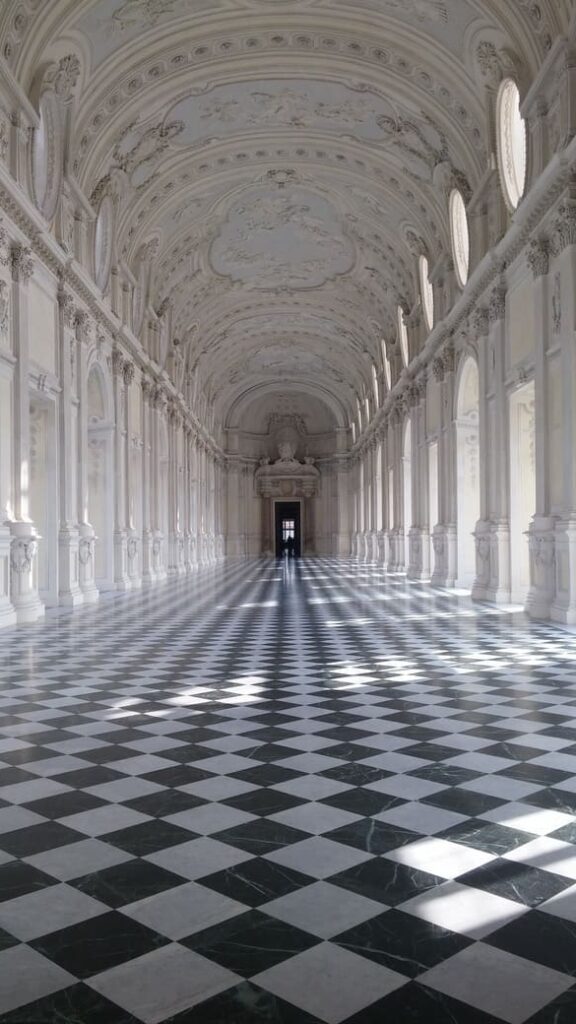
- The Great Gallery: designed by Filippo Juvarra, a masterpiece of light and perspective often compared to the Hall of Mirrors at Versailles.
- The Palace of Diana: the 17th-century core of the residence, dedicated to the goddess of the hunt.
- The Royal Gardens: vast green spaces restored according to historical designs, where landscape art meets architecture.
Did you know? The Great Gallery hides an architectural illusion: the rhythm of the windows and the placement of stucco decorations create an optical effect that makes it appear even longer and more majestic than it truly is.
Don’t settle for a simple walk-through — transform your visit into a journey through time. Our Hidden Experiences tours are designed for travelers who want to discover the authentic soul of Venaria.
Our expert guides will lead you through the Monumental Halls, revealing secrets of court life; through the Royal Gardens, recounting royal celebrations and hunting expeditions; and into lesser-known corners where history becomes intimate and captivating.
Book your tour of the Royal Palace of Venaria Reale.
Palazzina di Caccia di Stupinigi
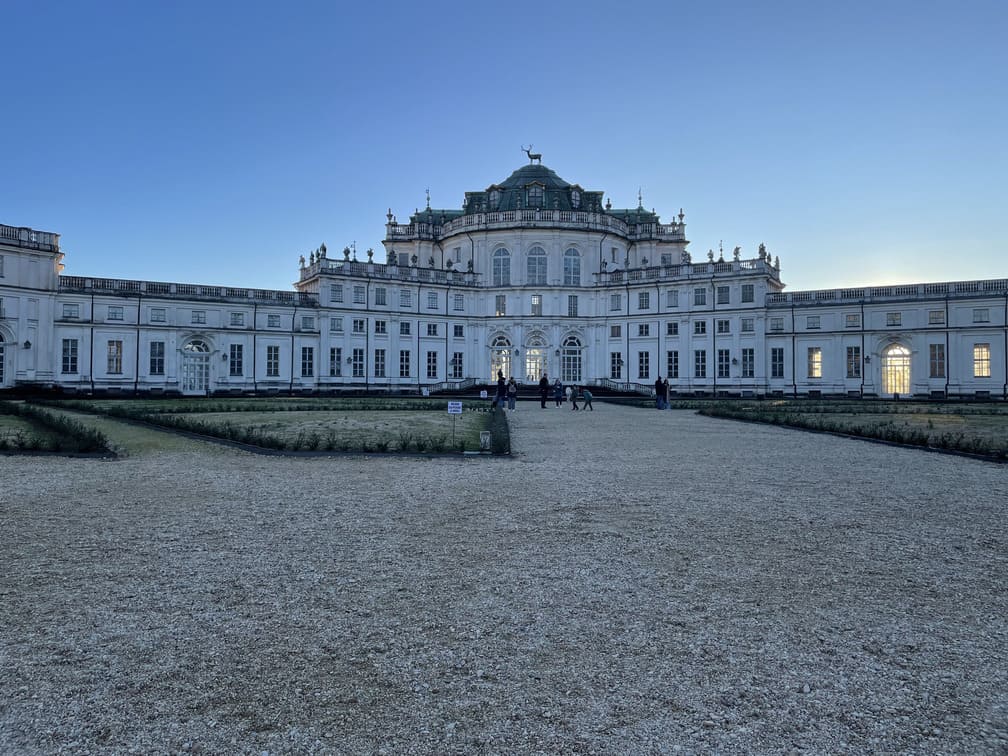
If Venaria represents monumental grandeur, Stupinigi embodies refinement, convivial elegance and theatrical beauty. Located just outside Turin, this residence is not merely a hunting lodge — it is an absolute masterpiece of European Rococo.
Designed by Filippo Juvarra in 1729, the Palazzina breaks traditional architectural patterns with its St. Andrew’s cross floor plan: four wings radiating from a vibrant core — the Oval Central Hall.
Stepping into this hall feels like entering a theater, crowned by a spectacular dome topped with the famous bronze stag (symbol of the estate). The hall was conceived so the sovereign could appear from the balcony above, turning every event into a performance of royalty. Every surface reflects light and the surrounding landscape, creating an atmosphere of aristocratic lightness.
Stupinigi was the stage for grand hunting parties and lavish royal weddings. The park’s radial avenues were designed both to control hunting activities and to impress guests with breathtaking perspectives.
Did you know that Napoleon Bonaparte stayed here in 1805 before being crowned King of Italy? The Palazzina welcomed not only the Savoys, but the protagonists of European history.
Do not limit yourself to a superficial visit. With our tours, you will uncover the symbolic meaning behind every decoration and the precise harmony between architecture and landscape. Our guides will take you into the beating heart of court life, revealing the backstage of Savoy celebrations and rituals in an immersive and unforgettable experience.
Book your visit of the Stupinigi Hunting Lodge
The Savoy Residences system does not end in Turin. To truly understand the Savoy vision, you must explore the towns surrounding the capital, where each castle reveals a different face of the dynasty.
Palazzo Carignano
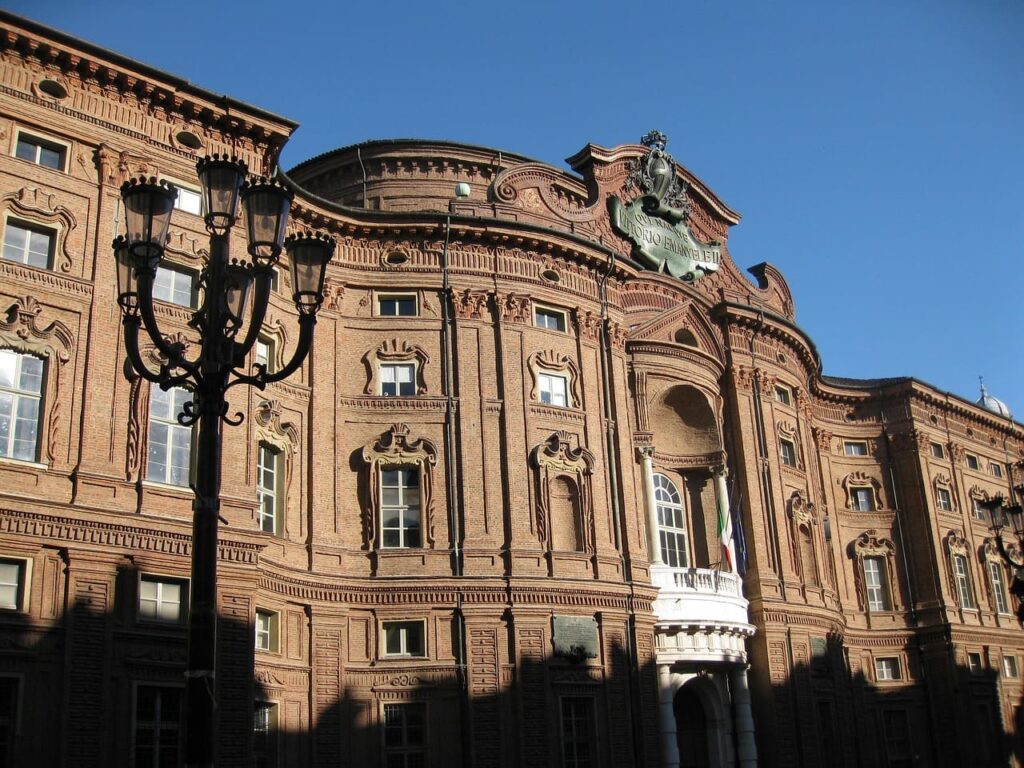
In the heart of Turin, it is considered one of the most theatrical Baroque buildings in the world. Designed by Guarino Guarini, its extraordinary curved brick façade is unforgettable. It housed the first Parliament of the Kingdom of Italy and today hosts the National Museum of the Italian Renaissance. Walking through its halls means breathing the history of Italian unity
Castello di Rivoli
Overlooking Turin from a morainic hill, transformed by Juvarra in the 18th century, it is now home to the Museum of Contemporary Art. The contrast between unfinished Baroque structures and avant-garde installations creates a unique sensory experience.
Castello di Moncalieri
Overlooking the Po River, with medieval origins and strategic importance, it became the preferred residence of the women of the Savoy family. Its intimate atmosphere offers a more personal glimpse into court life.
Castello della Mandria
Set within one of Europe’s largest enclosed parks, this complex was the “wild” extension of Venaria. It was both a hunting reserve and an agricultural estate where monarchs could escape court protocol.
Castello di Racconigi
The residence that best tells the final chapter of the Savoy story. Surrounded by an English landscape park, its rooms still preserve late 19th- and early 20th-century furnishings — the moment when a regional dynasty became the Royal Family of Italy.
Villa della Regina
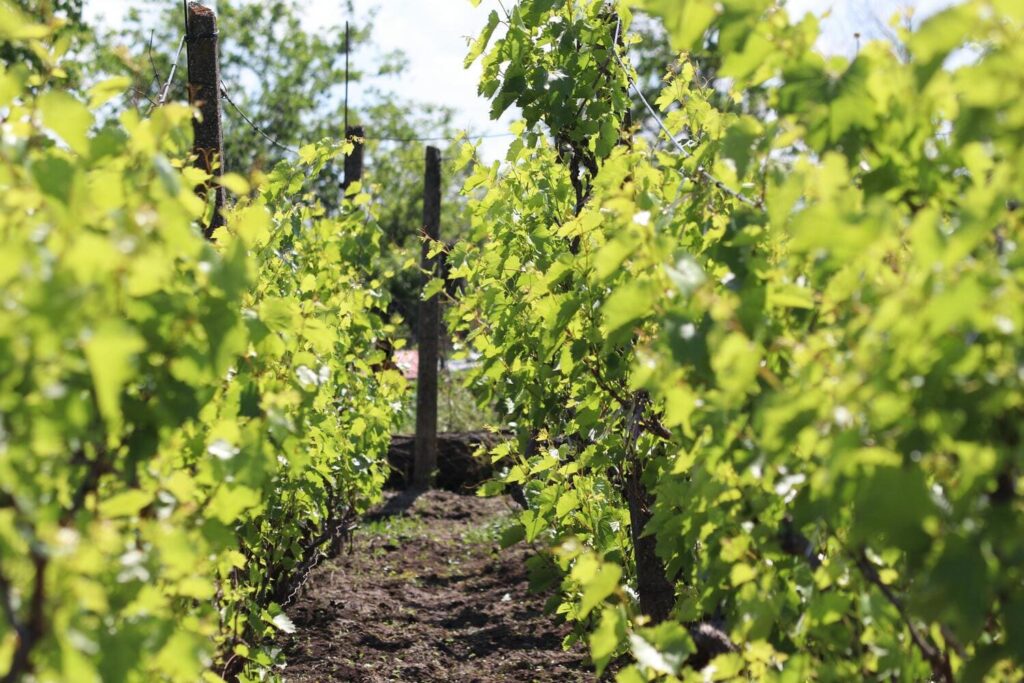
A jewel nestled in the hills of Turin. Built for the Savoy queens, it enchants visitors with terraced gardens and a historic vineyard that still produces Freisa di Chieri DOC wine. The perfect place to admire Turin from above.
What makes the Savoy Residences extraordinary is not only their splendor, but their strategic coherence. Each building was a cog in a perfectly functioning machine:
- Political Power: Palazzo Reale and Palazzo Carignano.
- Defense and Control: Rivoli and Moncalieri.
- Leisure and Hunting: Venaria, Stupinigi and La Mandria.
- Retreat and Intimacy: Racconigi and Villa della Regina.
Together, these architectural masterpieces shaped the face of Piedmont, transforming it into a monumental stage set that still takes one’s breath away today.
Why visiting the Savoy Residences Today?
The Savoy Residences are not simple museums — they are the tangible narrative of a dynasty that transformed architecture into a language of power, elegance, and modernity.
From the solemn halls of the Royal Palace to the theatrical grandeur of Venaria, each building is part of a remarkably modern unified vision — an integrated system where territory, landscape, and politics interacted in perfect harmony.
These buildings were never conceived as mere places to stay. They were diplomatic stage sets designed to impress foreign courts. Instruments of governance to manage territory. Symbols of an ambition that elevated a small Alpine duchy to lead unified Italy.
Walking through these walls means crossing centuries of European history: wars, alliances, dynastic marriages, cultural revolutions. It is a journey through evolving taste — from Baroque to Neoclassical — that shaped the very identity of Piedmont.
There is something even deeper: the Savoy Residences unite city and countryside, geometric gardens and romantic parks, art and nature. They are the elegant soul of Piedmont — a heritage you can experience authentically, away from the crowds of major capitals, in a refined and surprisingly intimate setting.
The experience makes all the difference. Visiting these residences means learning to read the invisible: hidden symbols in frescoes, architectural choices driven by strategy, and the private stories of sovereigns.
The Savoy Residences are not simply to be visited — they are to be discovered slowly, emotion after emotion. Transform your visit into a tailor-made itinerary and uncover the secrets of the “Crown of Delights” with our exclusive tours.
Discover all our art and culture tours on our website.
Because Piedmont isn’t just a destination. It’s a journey into the heart of European history.