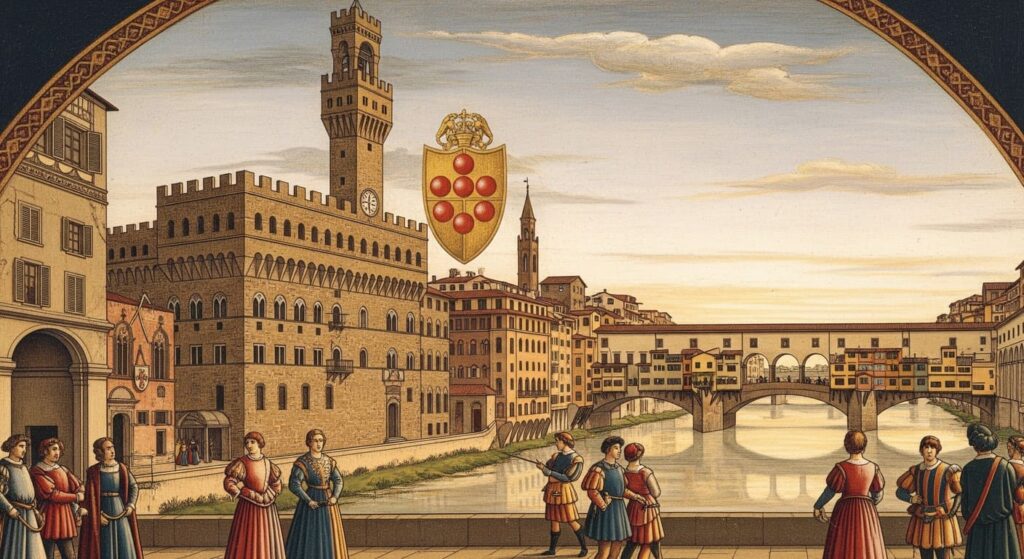
Florence is not just a destination; it is the tangible reflection of the rise and grandeur of the Medici family. Walking through its streets, you can retrace the fundamental stages of a dynasty that, from simple bankers, transformed itself into the absolute protagonists of European politics, art and culture. To truly experience this history, a guided tour in Florence is the only way to fully understand the places where power is built, exercised, displayed and finally committed to memory.
Discover Florence through the symbolic locations of the Medici’s power and patronage: from Palazzo Vecchio to the Uffizi, a journey through the history of the Renaissance. This itinerary encapsulates the very best of this city.
Palazzo Medici Riccardi and Cosimo the Elder: The Origins of Banking Power
To begin the Medici itinerary, it is essential to start at Palazzo Medici Riccardi, the family’s first and most influential residence. Commissioned by Cosimo the Elder, the patriarch of the dynasty, this palace represents an architectural model for the Florentine Renaissance.
Although the family was accustomed to displaying apparent modesty, its location and austere architecture concealed the true nerve center of financial and political power.
- The Chapel of the Magi: A masterpiece illustrating the family’s power, thanks to the famous fresco cycle by Benozzo Gozzoli, where family members are portrayed as participants in the biblical procession.
- Political Influence: From here, Cosimo the Elder exercised discreet but iron control over the Republic, managing European finance and effectively deciding the fate of Florence.
Palazzo Vecchio and Cosimo I de’ Medici: The Duke and the Seat of Absolute Power
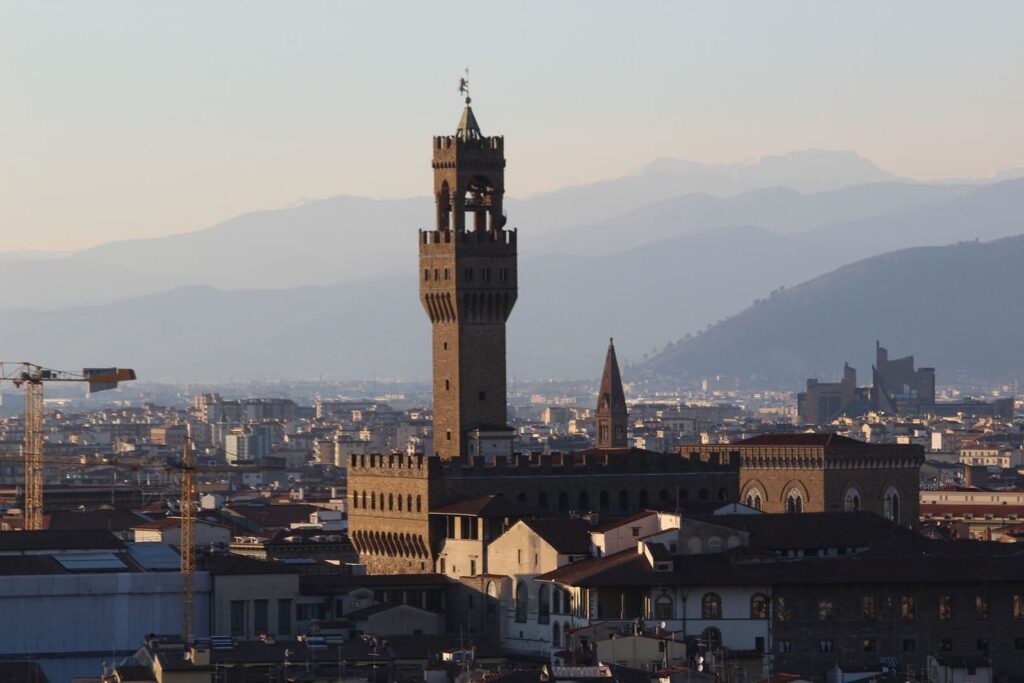
The journey through Medici history can begin at Palazzo Vecchio, the symbol of Florentine civil power. Before the Medici family consolidated its dominion, the building was the beating heart of the Florentine Republic. Under Cosimo I de’ Medici, Palazzo Vecchio was transformed into a ducal residence, no longer just an institutional seat but the tangible manifestation of the family’s now absolute power over the city.
Its history is a labyrinth of intrigue and splendor, culminating in the renovation commissioned by Cosimo I, who elected it as the seat of his duchy. Its frescoed rooms, rich in symbols, narrate the Medici’s desire to legitimize themselves as rulers, inscribing their image into the city’s history.
- Salone dei Cinquecento: You will be amazed by the grandiose frescoes celebrating Florentine victories and the apotheosis of Cosimo I, with works by Vasari.
- Studiolo of Francesco I: A hidden gem, a chamber of wonders and alchemical laboratory commissioned by Cosimo’s son, a place of deep introspection and collecting.
- Monumental Quarters: You can explore the private apartments of Eleonora di Toledo and Cosimo I, where art and daily life merged in unparalleled luxury.
Discover our guided tour of Palazzo Vecchio and let yourself be transported to Florence of the Medici.
Palazzo Pitti and Eleonora di Toledo: The Duchess and the Birth of the Italian Garden
Having crossed the Vasari Corridor, the Medici path arrives at Palazzo Pitti, the majestic residence acquired by Eleonora di Toledo, consort of Cosimo I. This female figure, of Spanish origin and strong personality, was not only a duchess but a true patron and strategist, whose impact on the city is still visible.
- The Palace: It was she who insisted on purchasing the palace, transforming it into the new, opulent grand-ducal residence and the seat of the family’s domestic power.
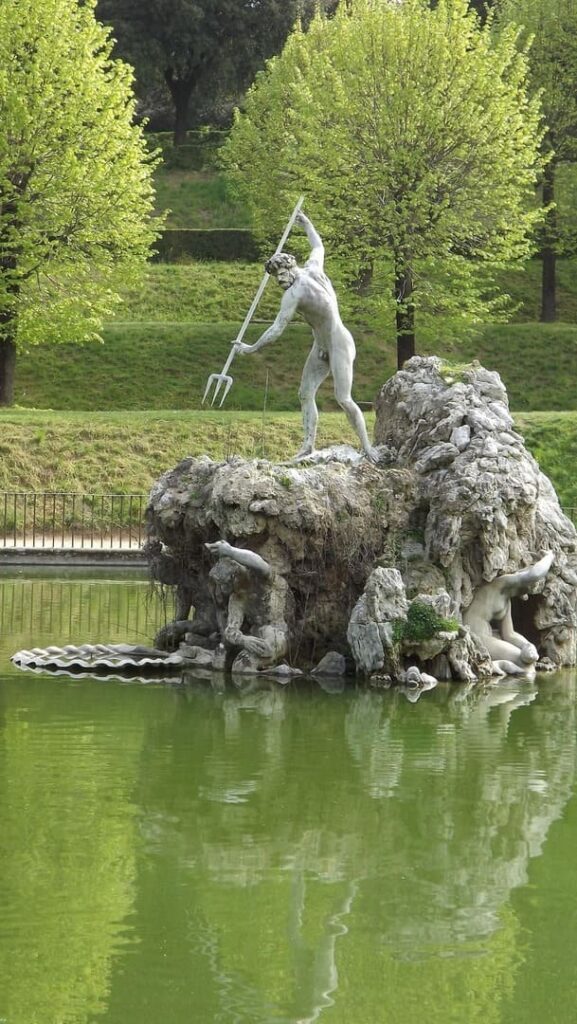
- Boboli Gardens: A masterpiece of landscape architecture and the quintessential example of the “Italian garden.”
- An Extraordinary Woman: Eleonora did not limit herself to being a background figure. She actively contributed to the politics, art, and daily life of the court, introducing Spanish elegance and ensuring dynastic stability.
Uffizi and Francesco I de’ Medici: The Collector Patron
A few steps from Palazzo Vecchio, the itinerary continues to the Uffizi Gallery, one of the most emblematic places of Medici rule. Originally conceived as the administrative seat for the state’s “offices” (uffizi), it was Francesco I de’ Medici, son of Cosimo I, who consolidated its artistic use. He used the Uffizi to gather extraordinary masterpieces, transforming the complex from a bureaucratic center into a treasure trove of art with a precise political strategy: the use of art as a tool for prestige and influence.
- The Legacy of Anna Maria Luisa: The last Medici heir, with the “Family Pact,” donated the entire collection to the Tuscan State, ensuring the works would remain with the city.
- Renaissance Masterpieces: Here you will find the art that the Medici commissioned and loved, including Botticelli’s The Birth of Venus and Primavera.
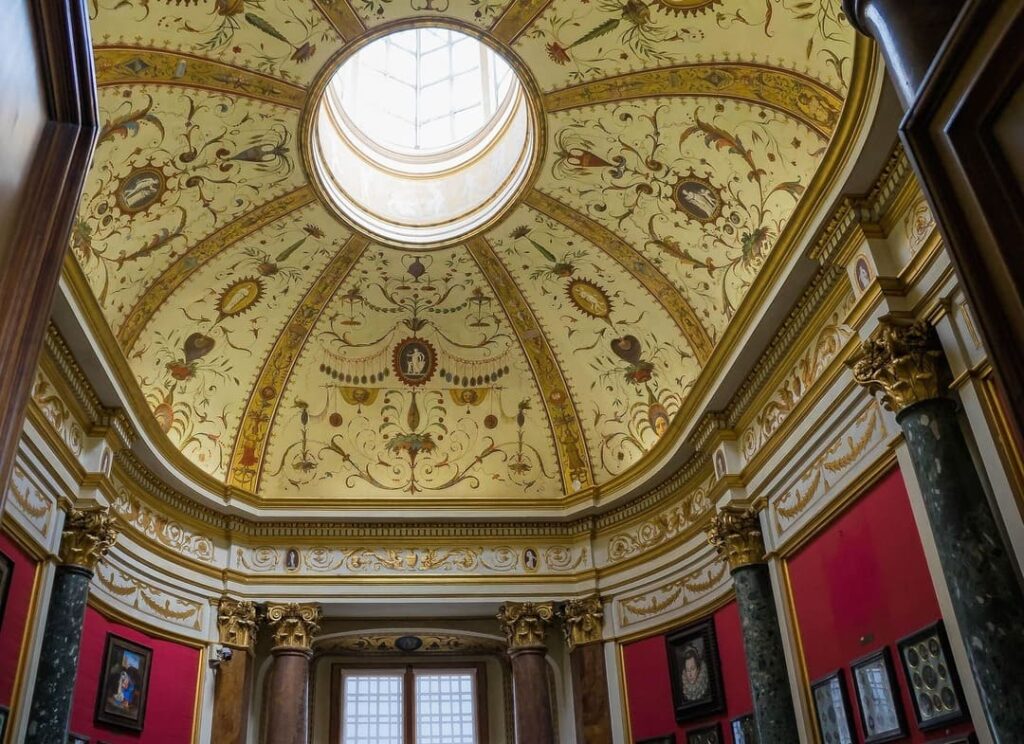
- The Tribune: Designed by Bernardo Buontalenti, this octagonal room was the collection’s beating heart, where the most precious pieces were displayed in an environment celebrating the four elements.
Start your day of art in a special way: discover our early morning semi-private tour of the Uffizi Gallery.
The Duomo and Giuliano de’ Medici: The Blood Spilled in Santa Maria del Fiore
Another place strongly linked to the Florentine family is the Duomo, the church of Santa Maria del Fiore. Although the cathedral was built mainly before their ascent, the Medici constantly supported it, financing works of art, decorations, and celebrating key events of their power, consolidating their role as patrons and protectors of the city.
- The Pazzi Conspiracy: On the morning of April 26, 1478, right inside the Cathedral, during Mass, one of the most traumatic events for the family took place.
- The Objective: To kill the two most promising scions of the lineage, Lorenzo and Giuliano de’ Medici. While Lorenzo the Magnificent managed to save himself, Giuliano was fatally stabbed at the altar.
- The Revenge: This violent episode consolidated the power of Lorenzo, who fiercely avenged his brother, and left an indelible mark, demonstrating how the struggle for Florentine dominance was a matter of life and death.
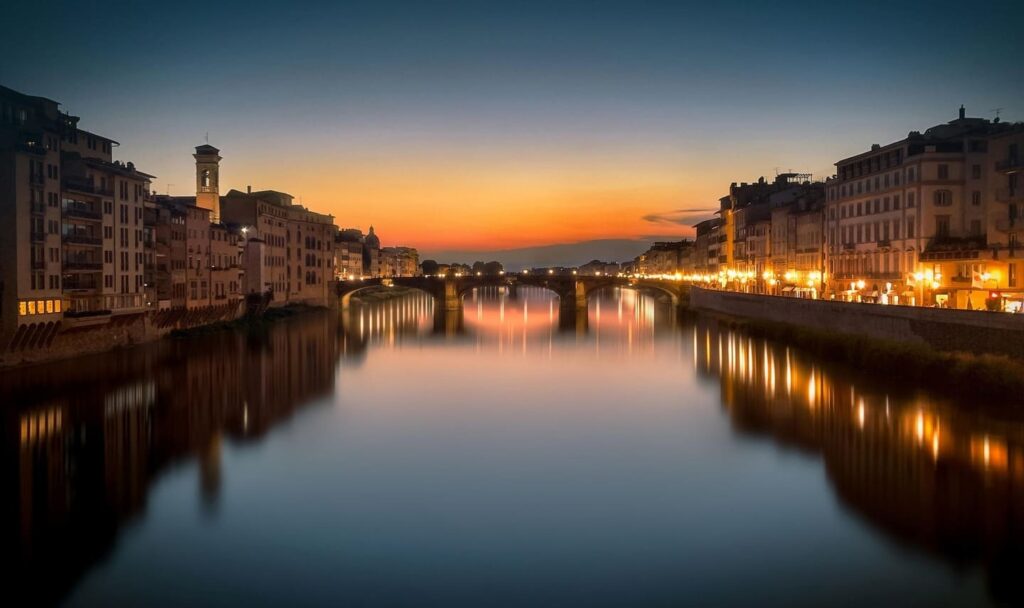
Ponte Vecchio and Cosimo I de’ Medici: The Corridor of Secret Power
Ponte Vecchio is not only an icon of Florence but a crucial point on the map of Medici power, thanks to the famous Vasari Corridor. This secret elevated passageway was the symbol of Grand Duke Cosimo I’s separation and protection from city life.
- The Use: It allowed the grand-ducal family to move from Palazzo Vecchio to Palazzo Pitti (their new residence) without mingling with the populace, perfectly embodying the nature of their power: visible yet distant, rooted in the city but separated from it.
- Changes: The Medici also had the butchers moved off the bridge and replaced them with goldsmiths, thus ensuring decorum and prestige for their private passage.
To unveil the mysteries of Ponte Vecchio and other iconic places in the city, discover our evening guided walking tour of Florence.
Medici Chapels and Lorenzo the Magnificent: The Immortality of the Renaissance Myth
The itinerary finally concludes at the Medici Chapels, where many illustrious members of the family rest, including Lorenzo the Magnificent himself. Part of the Basilica of San Lorenzo complex, the chapels testify to the Medici’s will to build their own monument to eternity.
- The New Sacristy: Designed by Michelangelo, it houses the tombs of illustrious family members, including the famous dukes, with the allegorical sculptures of the “Times of Day.”
- The Chapel of the Princes: Clad in precious marbles and hard stones, this room is the true monumental focal point, intended to hold the remains of the Grand Dukes. It is an ostentation of wealth and grandeur worthy of a monarchy.
- The Cryptoporticus: The area preceding the opulence of the Chapel of the Princes, where many members of the family rest, is rich in relics and statues waiting to be discovered.
Honor the legacy of a dynasty: discover our guided tour of the Medici Chapels in Florence.
The “Medici Family Through the Historic Sites of Florence” tour is more than just an itinerary: it is a deep immersion into the golden age of the Renaissance. Every palace, every gallery, every mausoleum tells a story of patronage and ambition that still defines the essence of the Tuscan capital today.
Through these places, the Medici’s parabola unfolds with clarity: from political control to artistic representation, from the management of power to the construction of a myth. Florence, even today, preserves the traces of this history in every stone, inviting visitors to discover not just a city, but the living legacy of one of the most influential families of the Renaissance.
Relive the Golden Age of the Medici’s family! Book your exclusive tour in Florence.