Tuscany to Taste: A Journey into the Heart of Authentic Flavours
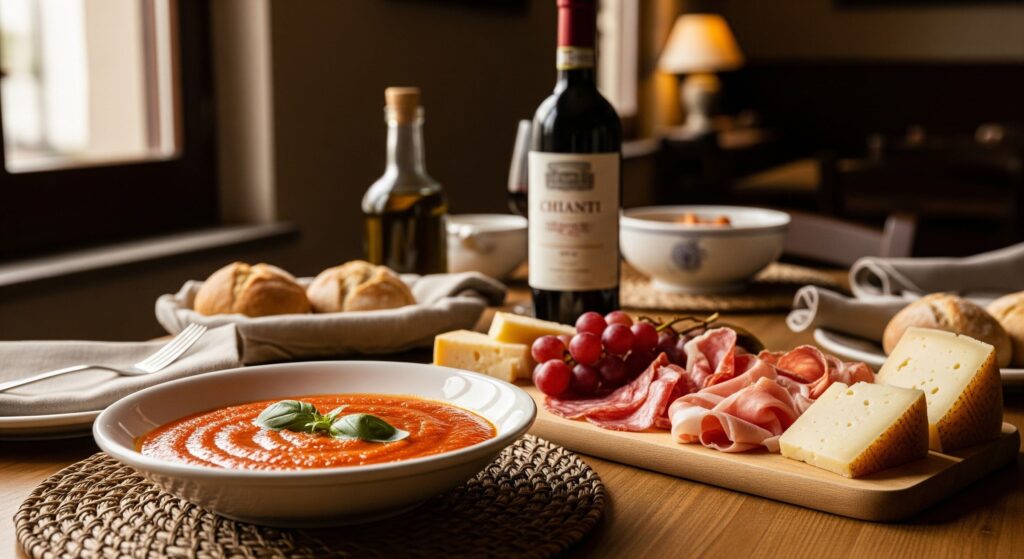
There is a Tuscany that cannot simply be visited—it must be breathed in, tasted, and lived. It is the Tuscany of golden hills, historic villages scented with centuries of stories and tables set with recipes lovingly passed down from generation to generation. A mosaic of authentic flavours that reveals the deepest soul of this land. For many travelers, this is the true luxury: slowing down, taking a deep breath, and surrendering to the taste of tradition.
In this article, we invite you to discover the iconic dishes of Tuscan cuisine—true gastronomic legends you simply cannot miss.
Ribollita
Ribollita is undoubtedly one of the most famous dishes of Tuscan tradition. Its origins date back to the Middle Ages, a time when food—no matter how humble—was never wasted. Leftovers were carefully reused and transformed into something new and nourishing. It is known that Ribollita was born from two very different worlds: the nobility, who enjoyed lavish banquets during holidays and left behind stale bread and vegetables for the servants, and the farmers, who transformed these leftovers into a hearty soup capable of lasting for several days.
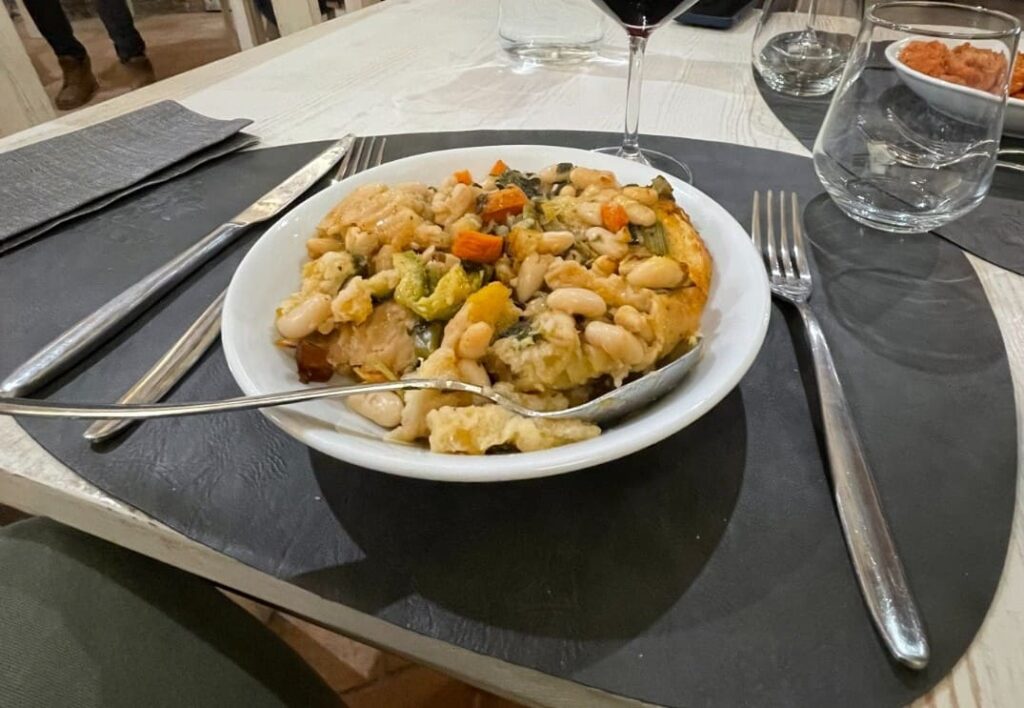
Its name comes from the practice of “re-boiling” the soup. After the first preparation, the pot was set aside and reheated over the following days, brought back to the boil again and again.
In its original version, Ribollita is made with just three main ingredients: Tuscan kale (cavolo nero), stale bread, and cannellini beans. Other variations may include Swiss chard, Savoy cabbage, celery, carrots, onions, and potatoes—each family with its own treasured recipe.
Pappa al Pomodoro
Originally conceived as a humble dish, Pappa al Pomodoro has become one of the most iconic recipes in Tuscan cuisine—a symbol of conviviality, comfort food, and authenticity. This delicious dish originated in the Tuscan countryside between the late 19th and early 20th centuries, when stale bread was a constant presence in rural pantries. Traditional Tuscan bread, generally unsalted, was perfect to be reused as the base for soups and stews. When tomatoes—initially considered a “new” and somewhat suspicious ingredient—began to appear, farmers started combining them with stale bread, extra virgin olive oil, and aromatic garden herbs. The result was a simple yet nourishing dish, designed to feed large families with what the land provided.
Its soft, velvety texture and the sweet aroma of gently cooked tomatoes evoke summer days, country kitchens and shared family meals.
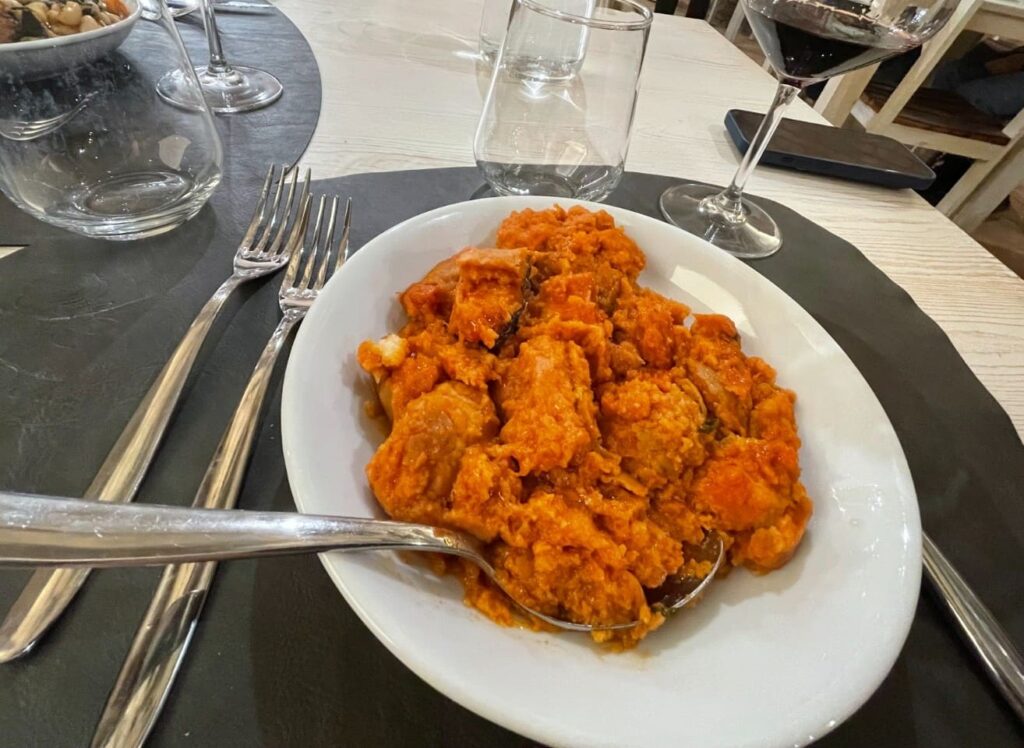
Simple but deeply emotional, Pappa al Pomodoro perfectly reflects the strong bond between Tuscan cuisine and seasonal ingredients. Popular culture also played a key role in its fame. The song “Viva la pappa col pomodoro”, sung by Rita Pavone in the TV series Il Giornalino di Gian Burrasca, helped cement its status as a beloved Italian classic. You can find the video here. From that moment on, Pappa al Pomodoro entered the collective imagination as an iconic, genuine, and profoundly Italian dish.
During our wine tasting experience with lunch in Montepulciano, you’ll have the chance to taste both Ribollita and Pappa al Pomodoro, expertly prepared to delight your palate.
Pici all’aglione
Pici all’Aglione are much more than a simple pasta dish—they are the expression of a cuisine deeply rooted in the land, daily labor and the convivial spirit of Tuscan farmhouse tables. The origins of Pici date back to ancient times. Some food historians trace their ancestors to the 5th century BC, depicted in the famous Tomb of the Leopards in the Etruscan necropolis of Tarquinia. The frescoes show a banquet with long, irregular strands of pasta, believed to be one of the earliest representations of what would later become Tuscany’s iconic handmade pasta.
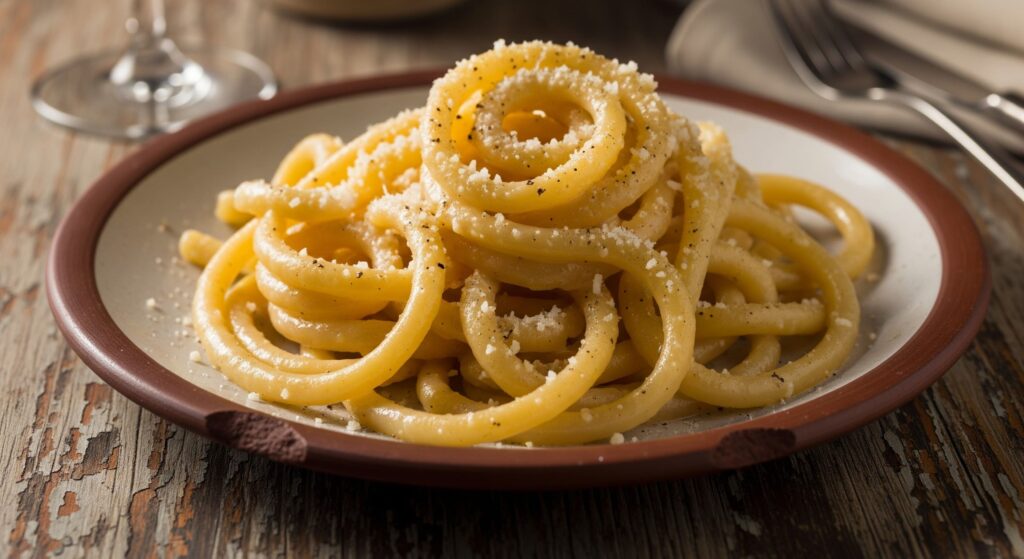
For centuries, Pici symbolized the humble but flavorful cuisine of the Sienese countryside and the Val di Chiana. Made simply with flour, water, and a pinch of salt—no eggs—and shaped by hand using the traditional “appiciare” technique (from which the name derives), they were a hearty and nourishing staple of rural life. What truly makes this dish special is the aglione sauce. Aglione is not just garlic—it is a large, local variety native to the Val di Chiana, with a milder, sweeter flavor and surprisingly high digestibility. Its intense yet delicate aroma has made it a distinctive ingredient of the area’s culinary identity.
Always attentive to seasonality, during our wine tasting experience with lunch in a Medieval Castle in Montalcino, you may find Pici all’Aglione featured as the first course.
Lampredotto
In Florence, Lampredotto is far more than street food—it is identity, tradition and popular pride. From the historic center to the city’s most authentic neighborhoods, the scent of slowly simmering broth has accompanied Florentine daily life for centuries. Telling the story of Lampredotto means entering the city’s true heart, far from shop windows and close to its people.
Lampredotto was born in the Middle Ages, when Florence was a bustling city of artisans, merchants and laborers. At that time, prime cuts of meat were a luxury reserved for few people, while the less noble parts of the cow were destined for the working classes.
The name “lampredotto” comes from the lamprey, a freshwater fish once abundant in the Arno River. The resemblance between the lamprey’s mouth and the shape of the fourth stomach of the cow—used to make lampredotto—gave the dish its name. For centuries, Lampredotto was the meal of workers, carters, and laborers: affordable, nourishing, and easy to prepare. It was slowly cooked in large pots with vegetables and herbs, then served hot. Its most iconic form is the lampredotto sandwich: roughly chopped tripe placed in a bread roll, seasoned with green sauce, spicy sauce, or simply salt and pepper. The finishing touch is the “bagnatura”—the bread is dipped into the cooking broth, making it irresistibly flavorful. Despite the passing of time, Lampredotto is still prepared according to ancient rituals passed down through generations. Each lampredottaio guards small secrets: the cut of the meat, the cooking time and the perfect balance of spices.
Ricciarelli
Ricciarelli embody the most elegant and delicate soul of Tuscan pastry-making. Their history is deeply linked to Siena, a city of merchants, pilgrims, and cultural exchange, where almonds and spices were prized ingredients and symbols of refinement as early as the Middle Ages. According to tradition, the recipe arrived in Tuscany thanks to Sienese merchants returning from the Far East, bringing almonds and introducing the use of almond paste—considered a true luxury at the time.
Originally prepared in convents and noble households as a treat for special guests, Ricciarelli gradually became part of popular culture, closely associated with winter festivities and the Christmas season. Their preparation—simple in ingredients yet precise in technique—perfectly reflects the philosophy of Tuscan cuisine: few elements, elevated to their fullest potential.
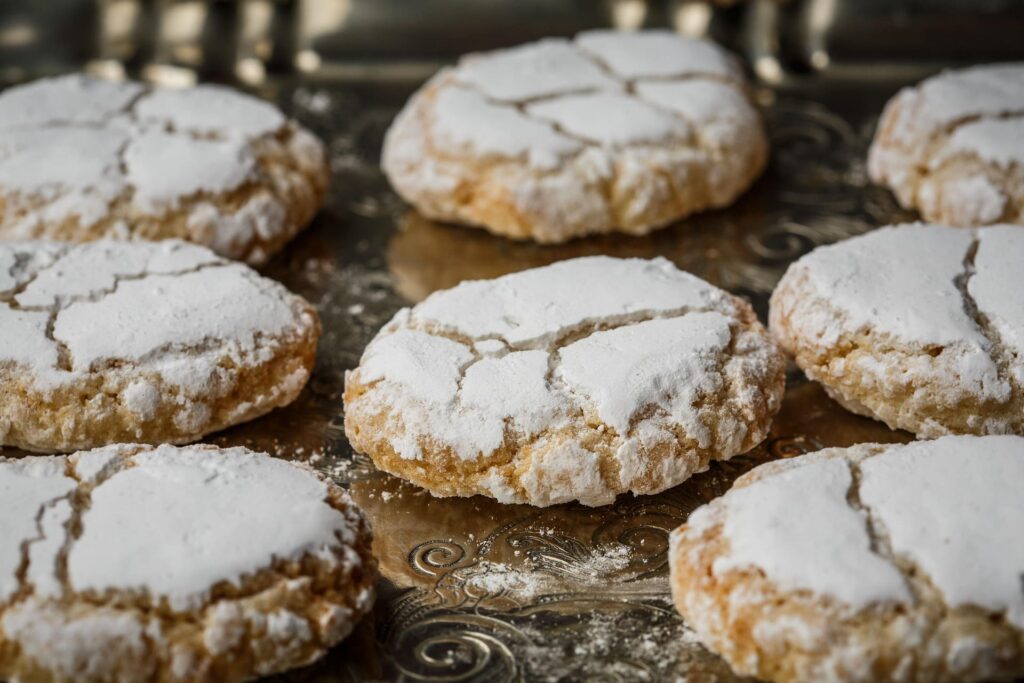
Their oval, slightly irregular shape, cracked surface dusted with powdered sugar, and soft, fragrant almond heart make them instantly recognizable. The contrast between the lightly crisp exterior and tender interior creates a sensory experience that speaks of tradition, slowness and care. Tasting a Ricciarello while traveling through Tuscany means connecting with an intimate side of local culture—family rituals, shared celebrations and flavors that tell ancient stories.
Enjoyed with a glass of Vin Santo, while strolling through Siena’s medieval streets or at the end of a meal, Ricciarelli capture the sweetest essence of the land.
Panforte
Panforte is one of the oldest and most representative desserts of Tuscan tradition. Like Ricciarelli, its roots lie in medieval Siena, reflecting the city’s rich and cosmopolitan past.
The earliest records of Panforte date back to the 13th century, when it was prepared in convents and offered as a gift to nobles, religious authorities and pilgrims traveling along the famous Via Francigena. At the time, it was known as Panpepato, due to the generous use of spices that define its character.
In an era when sugar, spices, and dried fruit were rare and costly, Panforte symbolized prestige and abundance. Honey, almonds, candied fruit, and exotic spices came together in a dense, aromatic mixture designed to last over time and provide energy and nourishment. Each city—and even each convent—guarded its own variation, creating a rich tradition of recipes. With its intense flavor and compact texture, Panforte is a dessert to be savored slowly, almost ritually. It is not light, but deeply expressive—a concentration of history and character capable of telling the story of a land through taste. On a journey through Tuscany, tasting Panforte means stepping back in time and rediscovering the most ancient face of local cuisine. Served at the end of a meal or paired with a meditation wine, Panforte becomes an experience that goes far beyond a simple dessert: an encounter between memory, tradition and the soul of Siena.
If you wish to follow the last traces of the Via Francigena, we recommend an exclusive experience in a Medieval Castle in Montalcino, located directly along this historic pilgrimage route and now home to a renowned winery offering guided visits and wine tastings.
To conclude this journey through the most authentic flavors of Tuscan cuisine, Hidden Experiences invites you to transform your trip into a truly immersive encounter with local traditions, going beyond classic tourist routes.From cultural tours in the heart of historic cities—where art, history, and Florentine traditions come to life—to unforgettable food and wine experiences across the region, you’ll discover Tuscan cuisine as it has been passed down through generations.
Carefully curated tastings and traditional lunches allow you to savor iconic dishes such as Ribollita and Pappa al Pomodoro, prepared according to authentic recipes. And these are just a few of Tuscany’s culinary treasures—many more are waiting to be discovered. Tuscany thus becomes the starting point for a complete journey where culture and gastronomy intertwine to reveal the truest soul of the region.
Choosing Hidden Experiences means exploring Tuscany in a conscious, engaging way—combining artistic heritage with the pleasure of local cuisine for an experience that lingers over time, one taste at a time. Here you can find all our experiences dedicated to this extraordinary region. Now it’s up to you to choose where to begin!
Here you can find our tasty recipe booklet featuring these delicious specialties.
Featured posts
-
What to do in Italy in November
Outdoor
-
What to Do in Italy in October
Outdoor